
Immerse yourself
in nature
Discover Tumbarumba and Beyond
Nestled in the scenic Snowy Valleys region, Tumbarumba is a relaxed, beautiful destination that invites you to explore, unwind and make the most of country life. From lush forests and cascading waterfalls to local wineries, art trails and peaceful walking tracks, there’s something here for every kind of traveller.
Whether you’re planning an active outdoor adventure or a laid-back getaway, let us help you uncover the best experiences, hidden gems and unforgettable views that make Tumbarumba truly special.

Mt Tumbarumba Mountain Bike Park
Indigenous Culture
High Country
Cold Climate Wine Region
Paddys River Falls
Kosciuszko National Park
Pioneer Women’s Hut
Fishing
Snowy Valleys Way
Sculpture Trail

Mt Tumbarumba Mountain Bike Park
Experience rugged mountain highs, monumental granite slabs, and exhilarating trails winding through open forests with breathtaking views across Australia’s alpine region. Whether you’re an experienced rider seeking a challenge or simply looking to immerse yourself in the beauty of the outdoors, the region’s diverse network of mountain bike trails offers something for everyone. Ride through spectacular landscapes, discover hidden natural features, and enjoy an unforgettable adventure surrounded by fresh mountain air and stunning scenery.
Indigenous Culture
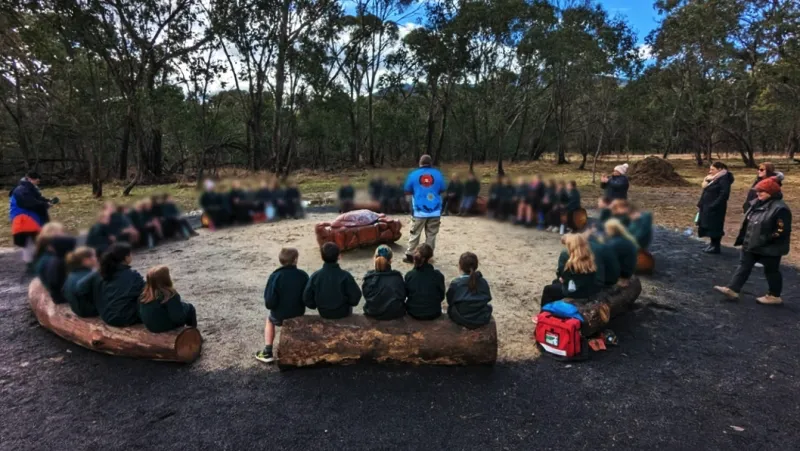
Tumbarumba is located on Country traditionally belonging to the Wiradjuri and Ngarigo peoples, including the Walgalu people of the high country. For thousands of years, this region has been an important place of connection, travel and cultural exchange for Aboriginal peoples.
The Ngarigo Toomaroombah Kunama Namadgi Indigenous Corporation is building partnerships with local businesses and the community across the Snowy Mountains region. Its mission is to maintain, nurture and share Ngarigo culture, ensuring Country remains not only alive, but flourishing.
Visitors to Tumbarumba can explore the Ngarigo Culture Reserve, located at the culturally significant site known as Five Ways.
Uncle Craig Wilesmith, a Ngarigo Elder, Board member and long-time Tumbarumba resident, explains:
“It’s actually the junction of five Songlines. In early November every year the different mobs would all meet at this area. They’ve been meeting there for 60,000 years, so we found the perfect site.”
According to Uncle Craig, in one of the Ngarigo dialects, the Corporation’s name refers to:
• Toomaroombah – Tumbarumba
• Kunama – Kosciuszko
• Namadgi – Big Snow
“Everyone used to meet there and have corroborees, dance and swap knowledge and stories. They would walk across to Yellowin Bay, where the Tumut River and Yellowin Creek meet. They would have a corroboree there for a week and bring the boys to men in that area and after that, they would go up to the mountain chasing the bogong moth.”
Aboriginal Cultural Experiences in the Snowy Mountains Region
Visitors wishing to learn more about the region’s First Nations history and culture can explore a range of Aboriginal-led and culturally informed experiences throughout the Snowy Valleys and Snowy Mountains region, including:
• Yarrangobilly Aboriginal Culture Tour
• Tumut Visitor Centre and Guided Experiences
• Alpine River Adventures
• Bundyi Cultural Tours
Visitors are encouraged to engage respectfully with Country and learn about the enduring cultures, histories and contributions of the First Peoples of the region.
Information received with thanks from the Office of the Registrar of Indigenous Corporations website
High Country
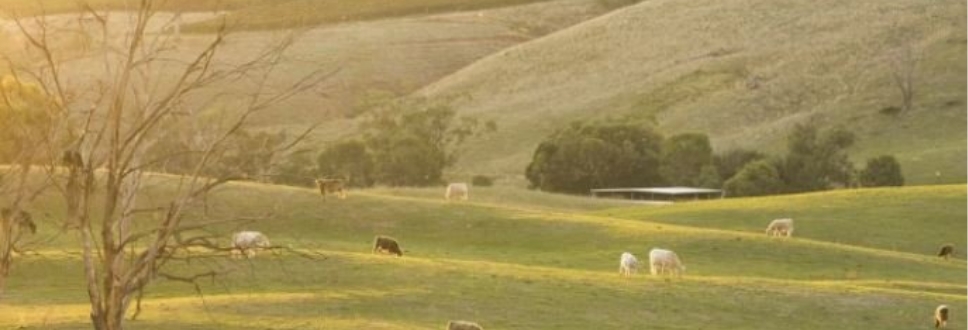
You’ll find the Tumbarumba Motel nestled in the heart of the High Country in New South Wales, Australia, on the western side of the stunning Snowy Mountains. To the south our area reaches Mount Kosciuszko, with the iconic Murray River forming its western border.
Famous for its mountains, rivers, lakes, parklands, forests and farms, the Tumbarumba Shire is perfect for bush walking, horse riding, fishing and cycling.
And with all that clean fresh air, you’ll sleep soundly every night!
The area has a fascinating history full of stories about goldmining, timber cutters and cattle. In more recent times the engineering feats of the Snowy Mountains Hydro-electric Scheme enriched not just the physical landscape but the cultural one as well.
While we enjoy four distinct seasons, please note that the weather can be changeable in the mountains at any time of the year. In January during the day temperatures can reach over 30ºC, while June nights can plunge to a cold -5ºC. We recommend that you bring clothing suited to all kinds of weather conditions.
With thanks to Tumbarumba Shire Tourism for the above information.
Cold Climate Wine Region
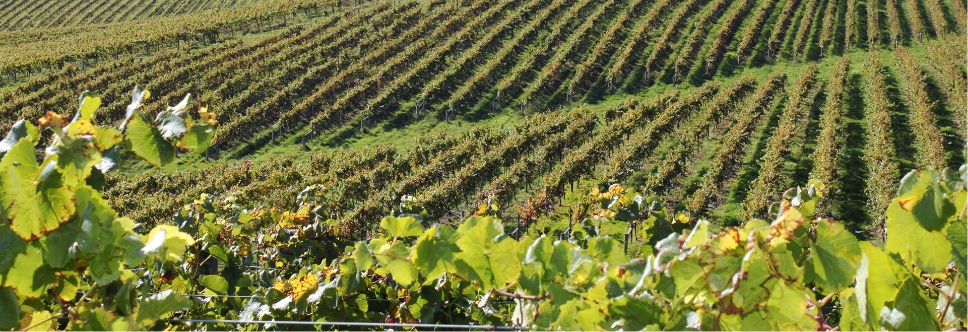
Tumbarumba is a cool climate wine growing region. The wine industry was first established here in the early eighties and is regarded as one of the newest wine producing regions in New South Wales.
There is approximately 330 hectares of vineyard plantings in the Tumbarumba region, with an annual crush of about 3000 tonnes depending on the weather! While the cool climate gives the wines the sort after intense flavours, the cool morning frosts can be stressful for the farmer.
Tumbarumba’s signature wines are Sauvignon Blanc, Chardonnay and Pinot Noir for sparkling and table wines. In recent years the newer plantings include Merlot, Pinot Gris, Riesling, Shiraz and Viognier. The latter varieties helped by the warm dry seasons experienced in the region.
The majority of grapes produced in the region are sold onto the major wine companies, with small parcels of fruit staying in the area. Of the fruit that remains in the region, a select number of growers produce under their own labels. These wines are available at local supermarkets as well as through in-house dining at our award-winning Elms Restaurant.
A limited number of these producers operate cellar doors, to allow visitors to taste their wines and experience the best our region has to offer.
A list of wineries in the area include:
With thanks to Tumbarumba Shire Tourism for the above information.
Paddys River Falls
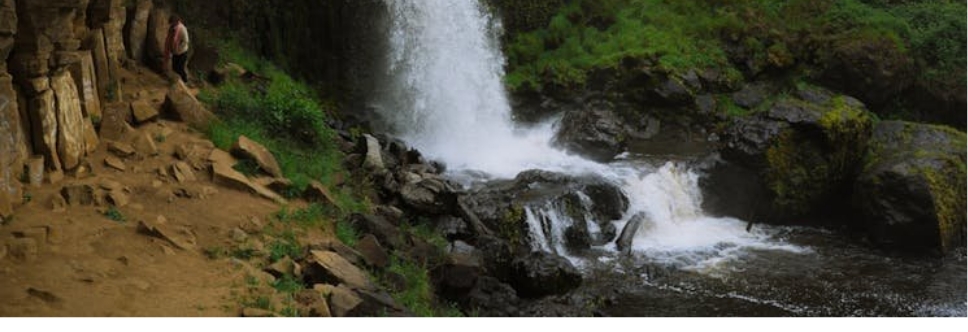
Paddy’s River Falls has long been a favourite with locals and is fast becoming a must-see stop for visitors to the region.
Just a short walk from the car park, well-positioned lookouts offer sweeping views of the Falls and the river landscape below. For a closer perspective, follow the walkway down to the base of the Falls.
During the warmer months, the cool mist rising from the cascading water provides welcome relief from the heat, and it’s not uncommon to see locals and visitors alike enjoying a refreshing dip in the pools below.
Getting there: From Tumbarumba, follow Tooma Road for approximately 18 kilometres, winding through picturesque countryside along the way.
With thanks to visitnsw.com for the above information
Kosciuszko National Park
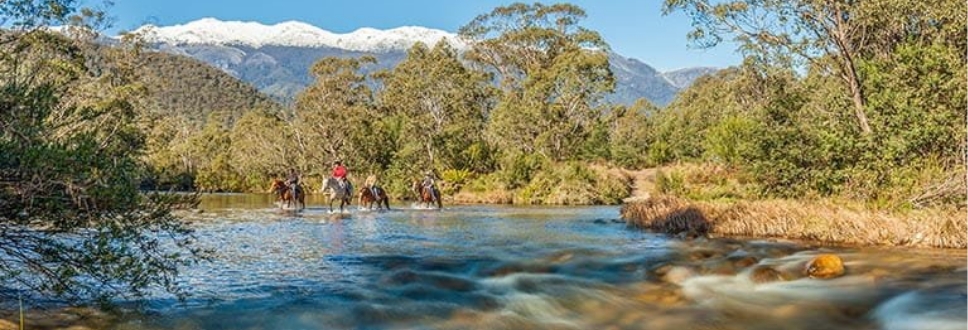
This is one of the world’s great national parks, and the largest in New South Wales. Covering 690,000 hectares, the park contains the highest mountain on mainland Australia, the famous Snowy River and all NSW ski fields.
Its many and varied attractions include walks through alpine herbfields; spectacular caves and limestone gorges; scenic drives; and historic huts and homesteads.
One of the Australian Alps national parks, this park is nationally and internationally recognised as a UNESCO Biosphere Reserve. It contains nine wilderness areas, and its alpine and sub-alpine areas contain plant species found nowhere else in the world. The park is also home to the rare mountain pygmy possum and corroboree frog.
The northern section is famous for extensive treeless plains and historic huts. This is where you will find Selwyn Snowfields. The central section is home to Australia’s largest alpine area: the place above the treeline, covered with delicate herbfields and fragile bogs and fens. This is where you’ll find most of the park’s ski fields – Perisher Blue, Thredbo and Charlotte Pass. The southern section offers dry, rugged areas along the lower Snowy River surrounded by large expanses of wilderness.
Weather can change quickly in the mountains and snow can fall at any time of the year. Check how to get there for more information.
For more information please visit the Department of Environment, Climate Change and Water website
Above information extracted from Department of Environment, Climate Change and Water website
Pioneer Women’s Hut
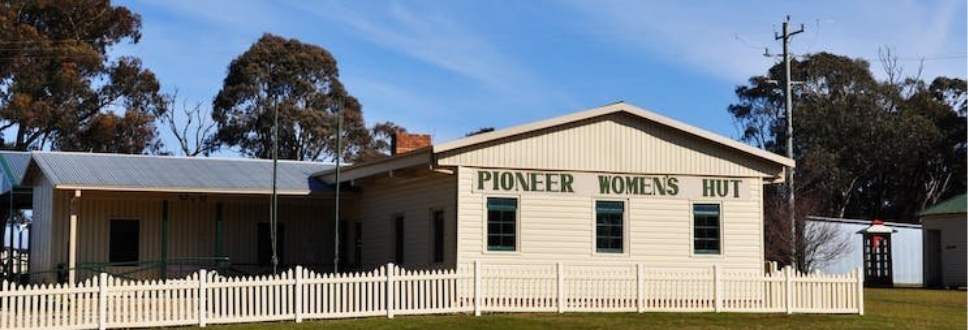
The Pioneer Women’s Hut is one of Australia’s most unique and highly regarded small museums.
Thoughtfully curated, the museum celebrates the ingenuity, resilience and resourcefulness of women who faced the challenges of raising families in rural Australia. Its accessible displays and the remarkable stories behind its diverse collection have earned it a national reputation. In The Intelligent Tourist, Professor Donald Horne described the Pioneer Women’s Hut as “the most innovative small museum in Australia.”
As founder Wendy Hucker observed in 1991:
“History is often seen as belonging to the rich and famous, but in the end history is not about great events and famous people. It is about ordinary people and their everyday lives. This is what makes us Australians.”
With thanks to https://www.pioneerwomenshut.com.au/ for the above information
Fishing
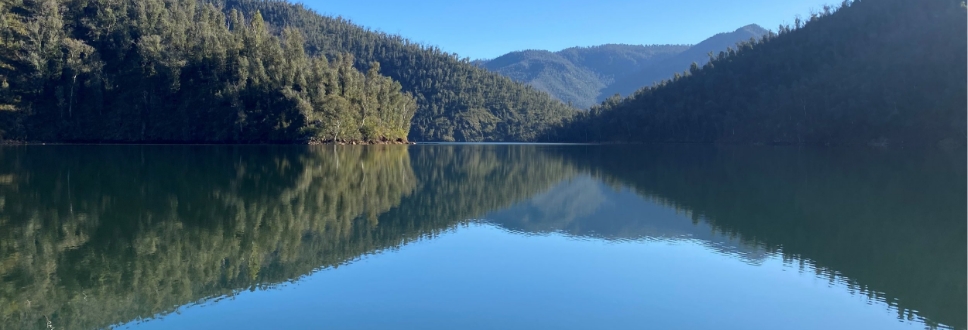
Tumbarumba is a premier freshwater fishing destination, renowned for its pristine alpine streams, tranquil lakes and spectacular mountain scenery. Anglers are drawn to the region for its excellent populations of Rainbow trout and Brown trout, with opportunities to catch Murray cod, Golden perch and redfin in selected waterways.
Prime Fishing Locations
Mannus Lake
Located just 15 minutes from Tumbarumba, Mannus Lake is regularly stocked with trout and also supports native fish species. It is ideal for both bait and lure fishing and is open year-round.
Paddy’s River and Paddy’s River Dam
Offering a peaceful natural setting, Paddy’s River is a favourite among fly fishers and lure anglers. Paddy’s River Dam is open to fishing throughout the year.
Tumbarumba Creek
Flowing close to town, this easily accessible stream is well known for producing quality Brown trout.
Tooma River
A more remote and secluded option, the Tooma River rewards adventurous anglers with excellent trout fishing in a stunning alpine environment.
Blowering Dam
Approximately 45–50 minutes north of Tumbarumba, Blowering Dam is one of the region’s premier fishing destinations, offering opportunities to catch trout as well as native species including
Murray cod and Golden perch.
Rules and Regulations Please ensure you are familiar with current regulations before fishing and always respect local waterways and the surrounding environment.
With thanks to the Department of Primary Industries for this information
Snowy Valleys Way
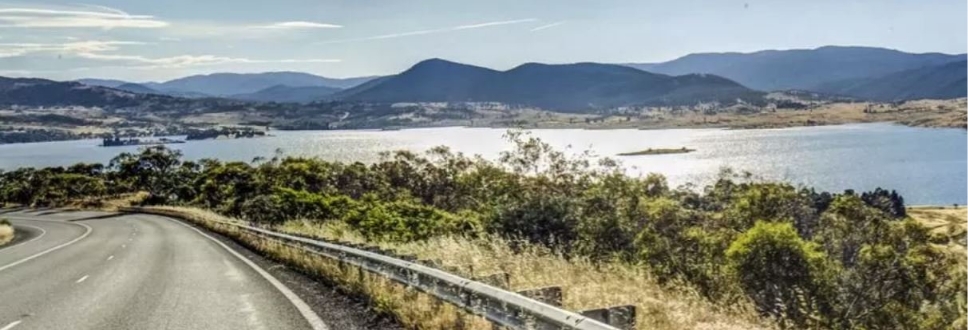
The Snowy Valleys Way is a tourism experience designed to allow you to indulge your passions and enjoy your journey. The route offers wine tasting and local food, golfing and fishing, arts and festivals, heritage towns and stunning scenery.
From valleys to mountains, few other drives can offer so much diversity
The Snowy Valleys Way starts in Gundagai and winds its way through Tumut, Tumbarumba and Corryong to Beechworth.
Stop en route to see a brumby, catch a trout, enjoy some wine, soak up the history or walk in natural bushland.
Passing through five shires and across two states, the Snowy Valleys Way knows no boundaries.
We invite you to step off the beaten track to enjoy the history, beauty and unique experiences that are the Snowy Valleys Way.
For more information please visit the Snowy Valleys Way website
Above information extracted from the Snowy Valleys Way website
Sculpture Trail
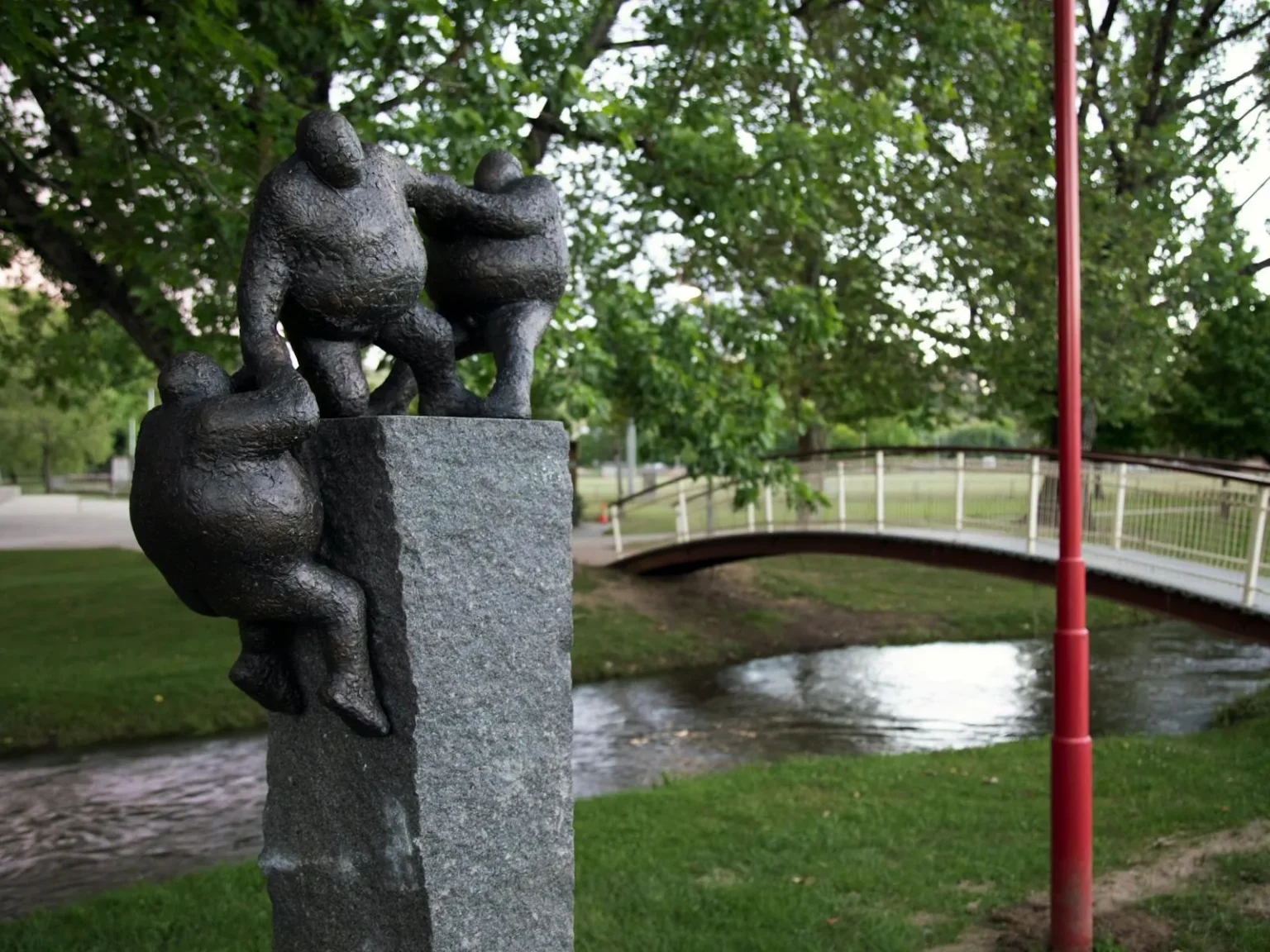
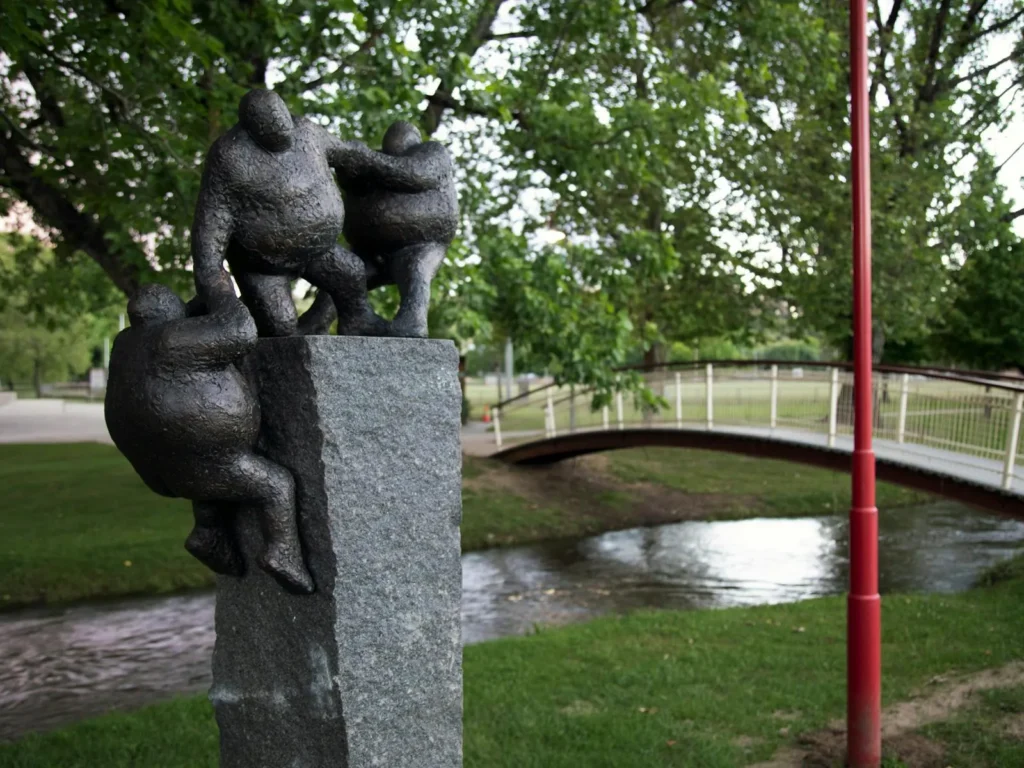
The Snowy Valleys Sculpture Trail is a 100 kilometres permanent public collection of over 35 sculptures in seven locations across the Snowy Valleys of southern New South Wales.
Sculptures by artists from across Australia and the world can be discovered in the towns of Adelong, Batlow, Tumbarumba, the hamlet of Tooma and the Tumbarumba wine region cellar doors at Courabyra Wines, Johansen Wines and Obsession Wines.
The Snowy Valleys Sculpture Trail has been funded under the Bushfire Local Economic Recovery Fund, co-funded by the Australian and NSW Governments.
Above information sourced from visitnsw.com